

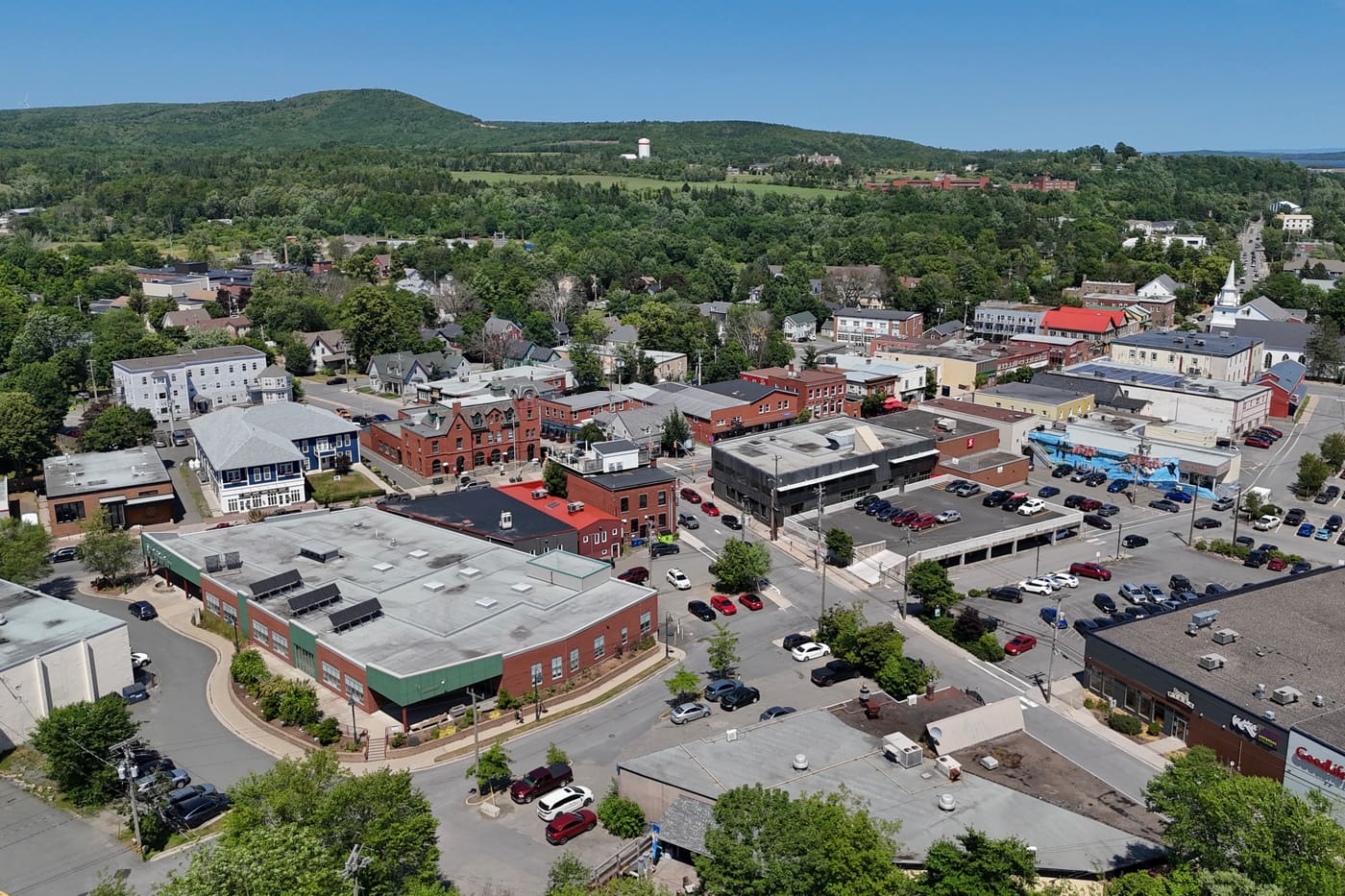
Antigonish, Highland Region
What does a mortgage broker cost in Nova Scotia?
A short answer, backed by the regulations that govern brokers in this province, and what you actually get for $0.
What does a mortgage broker cost in Nova Scotia?
Nothing, in most cases. On standard residential mortgages in Nova Scotia the lender pays the brokerage a finder’s fee when the mortgage funds, so the borrower pays $0. Fees apply only on private and some alternative-lender mortgages, must be disclosed in writing before you sign, and cannot be collected until the lender confirms funding in writing.
How brokers are paid
A bank pays a mortgage specialist to bring in mortgages; the broker channel replaces that with a finder’s fee in basis points of the mortgage amount, shown in your disclosure.
Riley is paid the same by a bank, a credit union or a monoline, so placement is about which lender says yes on the best terms.
Who pays the brokerOn a standard residential mortgage the money flows one way, from the lender
- $0to the borrower on bank, credit union and monoline residential mortgages, pre-approval included
- Lender-paida finder’s fee from the funding lender when the mortgage funds, shown in your Form 1 disclosure
- 3001134Riley Oickle, associate mortgage broker, on the Nova Scotia public register
- 3000688brokerage licence, INDI THE INDEPENDENT MORTGAGE COMPANY LTD.
- October 31, 2026when every Nova Scotia mortgage licence expires and is renewed for the following year
Nova Scotia General Disclosure Regulations s.7 and Standards of Conduct for Mortgage Brokerages Regulations s.22; licence numbers checked against the provincial public register, verified September 20, 2026.
Go deeper
The detail, if you want it
When a fee applies, and what regulation requires
Typical private or B-lender files: bruised credit no A-lender will take this year, a bridge loan, a construction loan a bank will not fund, self-employed income declared too low. The comparison is against the alternative, often no mortgage at all.
- Disclosure before services. Under section 7 of the Mortgage Regulation Act General Disclosure Regulations, a brokerage must give you a completed Form 1 — Mortgage Brokerage Disclosure before any services, and keep a signed, dated copy.
- No advance fees. Under section 22 of the Standards of Conduct for Mortgage Brokerages Regulations, no borrower fee can be charged or collected until the lender has confirmed funding in writing and you have accepted the commitment in writing.
- Licensed names and numbers. Section 6 requires the brokerage’s licensed name and licence number on all written material; section 5 requires any named individual to appear under their licensed name with the title “associate mortgage broker” or “mortgage broker”. Check ours against the public register.
What you are getting for $0
- A read of your file against Nova Scotia’s bank, credit union and monoline guidelines before any credit is pulled.
- One application, one credit inquiry, placed with the lender most likely to approve it on the best terms.
- Nova Scotia specifics handled: deed transfer tax in your municipality, which first-time buyer program fits, rural property conditions, seasonal income averaging.
- Someone paid only if the mortgage funds, at renewal as well as at purchase.
How to verify a broker’s licence
Every Nova Scotia broker, associate broker and brokerage is on the province’s public register: look for the name exactly as licensed, the licence number, the brokerage and an “Active” status. All Nova Scotia mortgage licences expire on 31 October each year.
Riley Oickle is licensed as an associate mortgage broker, licence 3001134, with INDI THE INDEPENDENT MORTGAGE COMPANY LTD., brokerage licence 3000688. Both are on the licensing page, with register links.

Written by Riley Oickle
Associate Mortgage Broker, Nova Scotia licence 2025-3001134, with Indi, The Independent Mortgage Company Ltd. Every figure on this page links to the government or regulator page it came from.
Why a broker
Licensed, independent, paid by the lender
- Licensed in Nova Scotia Associate broker 3001134, verifiable on the provincial register
- $0 broker fee On a standard residential mortgage the lender pays, not you
- Banks, credit unions, monolines One application, one credit check, placed with the lender that reads your file best
- Every part of the province Bedford office, remote process: Yarmouth to Sydney, the same four steps
Questions people ask
Do mortgage brokers charge fees in Nova Scotia?
Not on standard residential mortgages with banks, credit unions and monoline lenders: the lender pays the brokerage a finder’s fee when the mortgage funds, and the borrower pays nothing, pre-approval included. A borrower fee can apply on private and some alternative-lender mortgages, disclosed in writing first as Nova Scotia regulation requires.
Is a broker’s rate higher because the lender pays them?
No. The finder’s fee replaces a branch salesforce in the lender’s budget, and broker-channel rates are often equal to or lower than branch rates. Where a broker buys the rate down further, it comes out of the finder’s fee, not your pocket.
When can a broker collect a fee from me?
Under section 22 of the Standards of Conduct for Mortgage Brokerages Regulations, not until the lender has confirmed in writing it will fund the mortgage, you have accepted the commitment in writing and hold a copy of it. The only exception is actual third-party costs, such as a credit report or appraisal, under a written agreement signed beforehand.
What is Form 1 and why do I sign it?
Form 1 — Mortgage Brokerage Disclosure is the document a Nova Scotia brokerage must give you, and you must sign, before it provides any services. It sets out who the brokerage acts for and how it is compensated.
Still unsure? Ask me directly.
If your question isn't here, your situation is probably specific. Fifteen minutes on the phone beats reading another page, and nothing is pulled on your credit.
(902) 298-0218 · Monday to Friday, 8:00 am to 10:00 pm Atlantic
How we get paid, in writing, before you commit
The Form 1 disclosure comes first, the pre-approval second; send your details and you have both within a business day.
(902) 298-0218 · Monday to Friday, 8:00 am to 10:00 pm Atlantic